Time:2026-11-02 11:38:54 Number of Clicks:
A conveyor unloading system is an integrated arrangement of receiving, conveying and discharge equipment that moves bulk material from a truck or stockpile into a downstream process. It is not a single machine, but a chain of three stages: a hopper feeder receives the material, a belt or pipe conveyor transfers it, and a discharge point places it where the operation needs it.
This article examines each stage of a conveyor unloading system, the equipment configurations that match different materials and site conditions, the capacity ranges available from ZOOMRY, and the selection criteria that determine whether a fixed conveyor system or a mobile truck unloader is the better fit for a project.
A conveyor unloading system combines three functions that are often specified separately but must work as one:
The key characteristic of a conveyor unloading system is that it decouples the receiving point from the discharge point. A truck can unload at a fixed station while the material is conveyed to a stockyard or processing plant hundreds of meters away, without a second vehicle movement.
The most common receiving arrangement is a drive-over hopper, where the truck reverses over a receiving pit and discharges material directly into the hopper. ZOOMRY's ZRLS-TU1400 and ZRLS-TU1800 wheeled truck unloaders, and the ZRLD-TU1400 and ZRLD-TU1800 tracked versions, integrate the receiving hopper, feeder and discharge conveyor into a single mobile unit. Standard configurations cover 200–1,800 t/h, with hopper widths of 3.5–5.7 m and a discharge height of 5.8 m.
The wheeled ZRLS-TU models are suited to hardened surfaces and frequent relocation between receiving bays, with a travel speed of up to 25 m/min and a turning radius of at least 10 m. The tracked ZRLD-TU models operate on soft or uneven ground at up to 20 m/min, with a turning radius of at least 6 m, making them suitable for mine sites and temporary stockyards.
Truck Unloader Conveyor integrates receiving, feeding and discharge into one mobile unit.
Where the receiving point is fixed, a static hopper feeder provides the same function without the truck unloader chassis. ZOOMRY's HF-ST static hopper feeder is used at permanent receiving stations, while the HF-TR tracked hopper feeder, HF-LF low feed hopper feeder and HF-HD heavy duty hopper feeder cover mobile, low-profile and high-abrasion applications respectively.
For operations that need a mobile receiving and transfer unit, the ZR-D series grasshopper conveyor combines a 5–15 m³ feed hopper with a 15–25 m conveyor and a travel speed of up to 15 m/min. The ZR65D, ZR80D, ZR100D and ZR120D models handle 200–550 t/h and can be repositioned between receiving points without a crane.
See the Hopper Feeder series and the Grasshopper Conveyor range for mobile receiving and transfer.
The belt conveyor is the backbone of the unloading system. ZOOMRY belt conveyors are available with belt widths from 800 mm to 1,600 mm and belt speeds from 2.5 m/s to 4.0 m/s, matching the capacity range of the receiving and discharge equipment. The conveyor structure, idlers, pulleys and belt specification are selected according to material bulk density, particle size, abrasiveness and the required conveying distance.
For long-distance conveying, the belt conveyor can be configured with intermediate drives and curves to follow the site topography. For high-abrasion materials such as iron ore and copper ore, heavy-duty idlers and wear-resistant belt covers are specified.
Long distance belt conveyor covers the main conveying stage of the system.
Where dust control or route flexibility is critical, a pipe conveyor encloses the belt into a tubular shape after loading, preventing material spillage and dust emission along the route. ZOOMRY pipe conveyors are used for coal, ore, cement and other materials where the conveying route passes through sensitive areas or requires tight horizontal and vertical curves.
The choice between a belt conveyor and a pipe conveyor depends on the material, the route, and the environmental requirements. A belt conveyor is generally simpler and has lower capital cost, while a pipe conveyor offers better dust containment and route flexibility.
Pipe conveyor is the enclosed option for dust-sensitive routes.
At a fixed discharge point, the conveyor discharges into a stockpile, silo or transfer chute at a single location. This arrangement is common in cement plants, power plants and processing plants where the downstream process is in a fixed position.
ZOOMRY's FR series fixed radial stackers (FR80 to FR160) combine a fixed pivot with a radial boom, allowing one machine to build stockpiles across an arc while the receiving point remains fixed. Capacities range from 500 to 3,500 m³/h, with belt widths from 800 mm to 1,600 mm.
Telescopic stacker and the FR fixed radial range cover fixed discharge layouts.
Where the discharge point must move, radial and telescopic stackers provide the flexibility. The ZR-SF series telescopic stackers (ZR80SF to ZR160SF) extend and retract the boom by 10–22 m, allowing the discharge point to follow a changing stockpile profile or build layered stockpiles. The ZR series tracked radial stackers (ZR800 to ZR1200) use a crawler chassis with ground pressure below 80 kPa, suitable for soft ground and frequent relocation.
Both configurations can be combined with a fixed receiving station and a belt conveyor, forming a complete unloading system where the receiving point, conveying route and discharge point are optimized independently.
Tracked Radial Stacker covers mobile radial discharge requirements.
Conveyor unloading systems are used where material must move from a receiving point to a downstream process with minimal vehicle movement and predictable throughput. Typical applications include:
A conveyor unloading system and a mobile truck unloader are not competing technologies; they solve different parts of the same problem. A mobile truck unloader such as the ZRLS-TU or ZRLD-TU integrates receiving, feeding and a short discharge conveyor into one unit, and is suited to operations where the receiving point moves, the throughput requirement is moderate, or the site layout changes frequently.
A conveyor unloading system separates the receiving, conveying and discharge stages, and is suited to operations where the receiving point is fixed, the conveying distance is long, or the discharge point must serve multiple stockpiles or downstream processes. In many projects, the two are combined: a mobile truck unloader receives the material and discharges onto a belt conveyor, which transfers it to a radial or telescopic stacker.
For a definition of the mobile alternative, see What is a Truck Unloader? and the truck unloader working principle guide. The Truck Unloader Complete Guide covers types, selection and applications in more detail.
The capacity of a conveyor unloading system is determined by the narrowest stage in the chain. A receiving hopper that can accept 1,800 t/h is of limited value if the belt conveyor is rated at 1,000 t/h, or if the discharge point can only handle 800 t/h.
| Stage | ZOOMRY series | Capacity range | Key parameters |
|---|---|---|---|
| Receiving (mobile) | ZRLS-TU1400 / ZRLS-TU1800 / ZRLD-TU1400 / ZRLD-TU1800 | 200–1,800 t/h | Hopper width 3.5–5.7 m, discharge height 5.8 m |
| Receiving (static / tracked) | HF-ST / HF-TR / HF-LF / HF-HD | Project-specific | Static, tracked, low-profile, heavy-duty configurations |
| Receiving + transfer (mobile) | ZR65D / ZR80D / ZR100D / ZR120D | 200–550 t/h | Hopper 5–15 m³, travel speed up to 15 m/min |
| Conveying | Belt conveyor / pipe conveyor | 500–3,500 m³/h | Belt width 800–1,600 mm, belt speed 2.5–4.0 m/s |
| Discharge (fixed) | FR80–FR160 | 500–3,500 m³/h | Boom 40–58 m, incline 18° |
| Discharge (telescopic) | ZR80SF–ZR160SF | 500–3,500 m³/h | Telescopic 10–22 m, belt width 800–1,600 mm |
| Discharge (tracked radial) | ZR800–ZR1200 | 100–1,000 t/h | Ground pressure ≤80 kPa, 360° slewing |
Dust is generated at three points in a conveyor unloading system: the receiving hopper, the transfer points between conveyors, and the discharge point. Control measures include dust suppression at the hopper, enclosed transfer chutes, belt cleaners at the discharge pulley, and pipe conveyors or belt covers along the route.
Safety considerations include emergency stop systems along the conveyor, guards on rotating parts, pull cords and belt alignment switches, and procedures for working near stockpiles. For coal and other combustible materials, fire detection and suppression systems are specified at the receiving and discharge points.
A conveyor unloading system is a combination of a receiving hopper or feeder, a belt or pipe conveyor, and a discharge point. It moves bulk material from a truck or stockpile to a downstream process without additional vehicle movement.
A truck unloader integrates receiving, feeding and a short discharge conveyor into one mobile unit. A conveyor unloading system separates these stages and is used where the receiving point is fixed, the conveying distance is long, or the discharge point must serve multiple stockpiles.
ZOOMRY receiving equipment covers 200–1,800 t/h, conveying equipment 500–3,500 m³/h, and discharge equipment 100–3,500 m³/h depending on configuration. The system capacity is limited by the narrowest stage.
A pipe conveyor is used when dust containment or route flexibility is critical, or when the conveying route passes through sensitive areas. A belt conveyor is simpler and has lower capital cost where dust and route constraints are not critical.
Yes, but the hopper, feeder, belt and discharge chute must be adapted to the material. In some cases, a different feeder type, belt cleaner or discharge arrangement is required.
Standard configurations typically require 45 to 90 days for manufacturing, plus shipping time. Custom configurations may require longer.
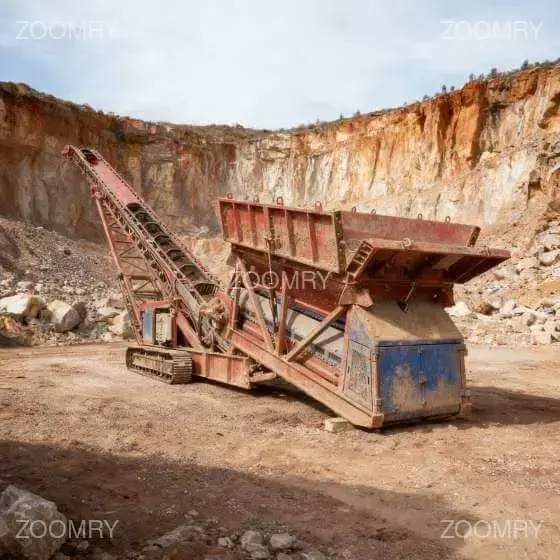
Heavy duty hopper feeder with 12-24 m³ capacity, up to 3,000 t/h. Belt...
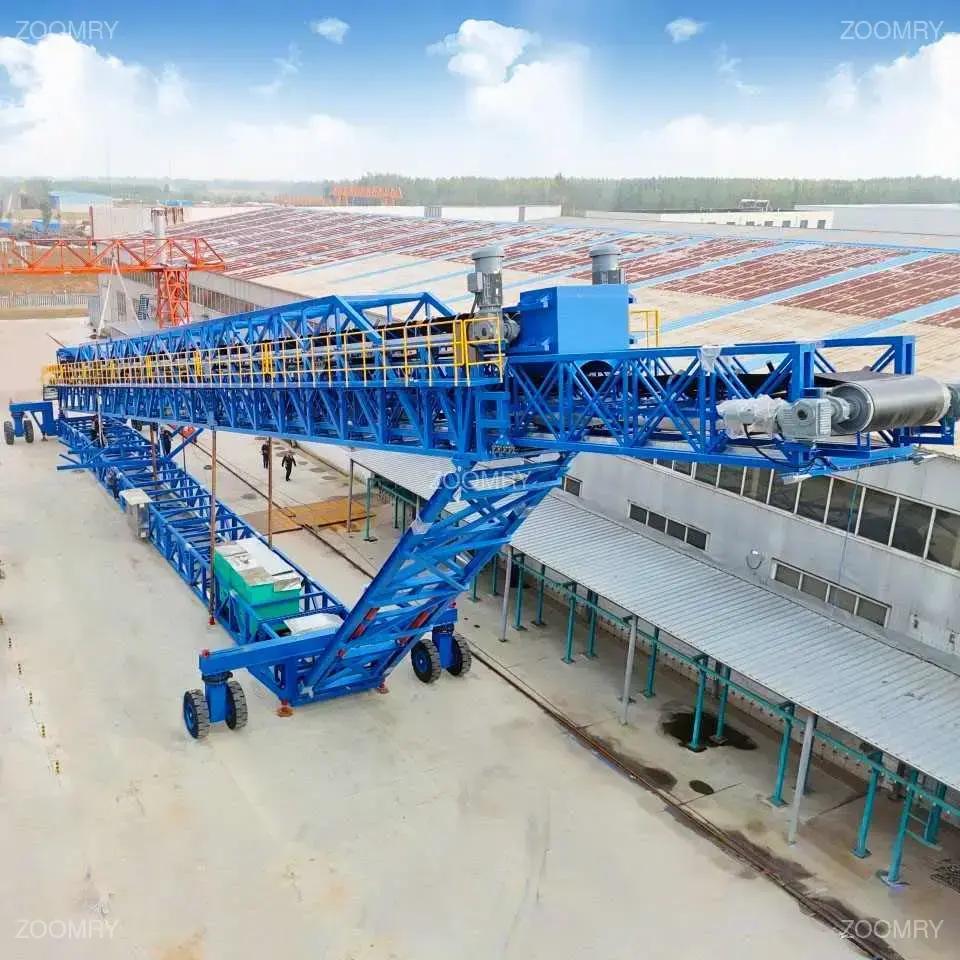
Coal shiploader for port terminals. Mobile ship loader with 100-3,500 ...
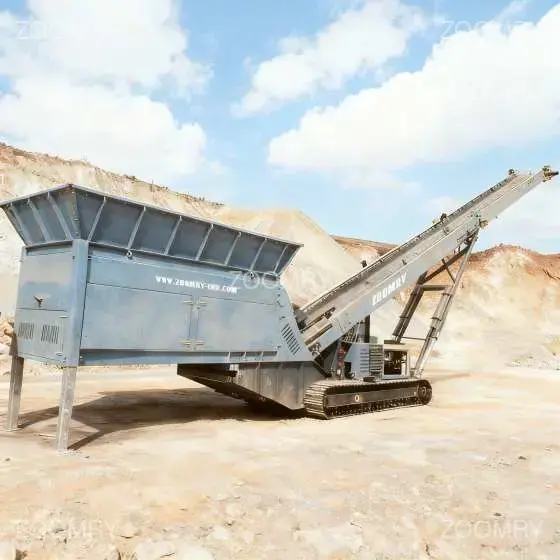
Tracked hopper feeder with 7-15 m³ capacity, up to 1,000 t/h. 15-28m i...
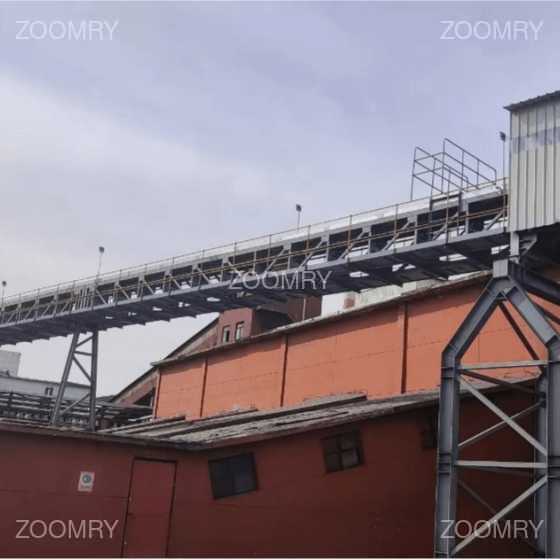
Pipe conveyor with circular closed-pipe structure for zero material le...

Enter your email to contact us quickly!
Copyright © 2002-2026 Zoomry Group Company Limited 非商用版本 AI Index