Time:2026-10-19 08:55:52 Number of Clicks:
Truck unloaders are among the most widely used pieces of equipment in bulk material handling. Whether the application is a port terminal, a mining operation, a cement plant, or a grain depot, the ability to quickly and efficiently unload bulk material from trucks has a direct impact on the economics of the entire operation.
This guide covers the main types of truck unloaders, their key components, the factors that influence selection, common applications, and the trends shaping the market in 2026 and beyond.
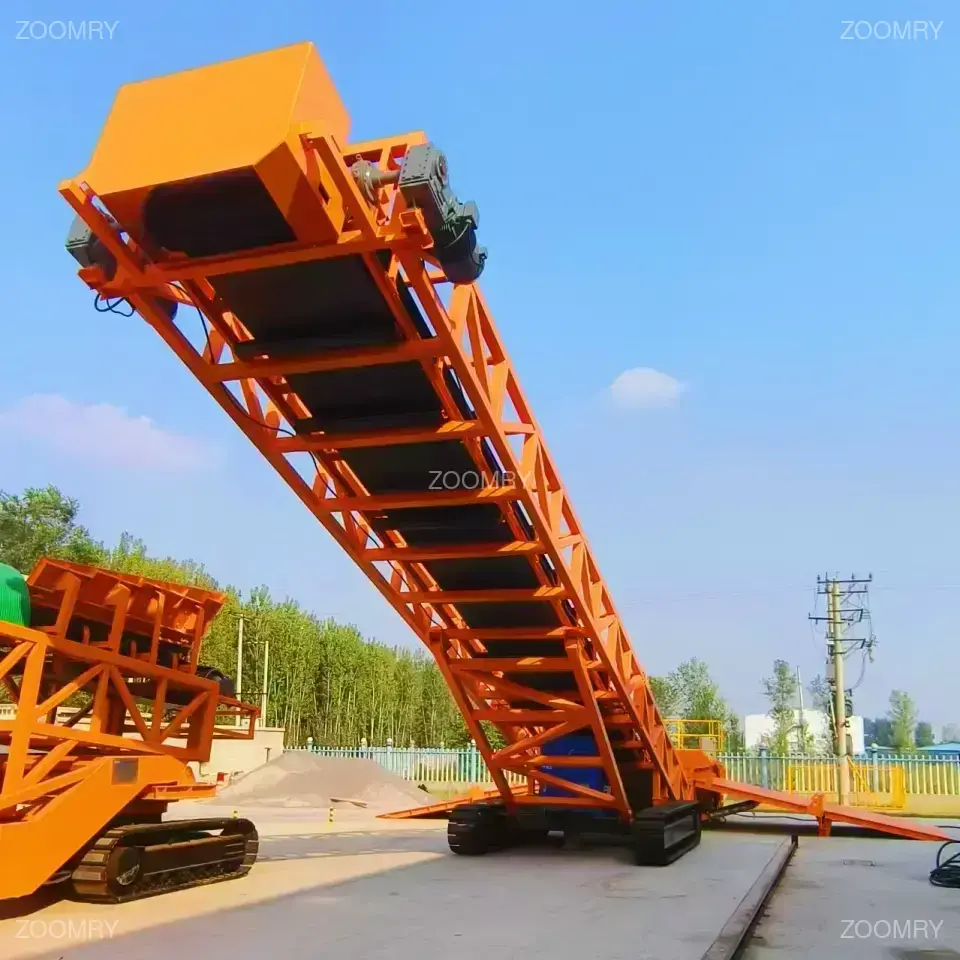
A truck unloader is equipment designed to discharge bulk material from trucks and transfer it to downstream conveying, storage, or processing systems. Unlike manual unloading, which relies on labour and time, a truck unloader uses mechanical systems to move material quickly and continuously.
Truck unloaders are used across a wide range of industries, including:
Ports and terminals — unloading bulk cargo from road trucks for transfer to stockyards or ship loaders
Mining operations — transferring ore from haul trucks to conveyors or stockpiles
Cement plants — unloading clinker, limestone, and other raw materials
Power plants — unloading coal and biomass fuel
Grain depots — unloading grain, soybeans, and other agricultural commodities
Fertilizer plants — unloading raw materials and finished products
The specific design of a truck unloader depends on the material being handled, the truck type, the required throughput, and the site conditions.
Truck unloaders come in several configurations, each suited to different operational requirements.
Mobile truck unloaders are mounted on wheeled or tracked chassis and can be moved between unloading positions. This mobility is particularly valuable in operations where trucks arrive at different locations, or where the unloading point needs to change as the operation evolves.
Mobile units typically include:
A receiving hopper
A feeder (belt, vibrating, or screw)
A discharge conveyor
Wheeled or tracked undercarriage
Onboard controls
These units are often used in port terminals, construction sites, and temporary operations where fixed infrastructure is not practical.
Relevant equipment:
Stationary truck unloaders are installed at a fixed location and are designed for high-volume, continuous operations. They are typically integrated into a larger material handling system, with the discharge conveyor feeding directly into a stockyard, processing plant, or ship loader.
Stationary units are common in:
Port terminals with fixed truck routes
Mining operations with dedicated haul roads
Cement plants with fixed raw material receiving areas
Power plants with coal delivery by truck
Because they do not need to be relocated, stationary units can be designed for higher capacity and longer service life than mobile units.
Drive-over truck unloaders are a specific type of unloading system where the truck drives over a receiving hopper, and material is discharged through the truck's own unloading mechanism (such as a tipping body or walking floor). The unloader then transfers material to downstream conveyors.
Drive-over systems are common in:
Grain handling facilities
Fertilizer plants
Biomass and waste-to-energy plants
Aggregate operations
These systems offer fast turnaround times and are well suited to operations with high truck traffic.
Hydraulic tipping truck unloaders use a hydraulic platform to tip the entire truck, discharging material through the rear tailgate. This approach is common in operations where trucks do not have their own tipping mechanism, or where the material is difficult to discharge by gravity alone.
These systems are used in:
Mining operations with rigid-body haul trucks
Construction sites with standard road trucks
Some port and terminal applications
Tracked truck unloaders use a crawler undercarriage instead of wheels, providing better mobility on soft or uneven ground. They are particularly suited to:
Mining operations with unpaved haul roads
Construction sites with uneven terrain
Temporary operations where ground conditions are poor
Tracked units are typically heavier and more expensive than wheeled units, but offer better traction and stability in challenging conditions.
Regardless of type, most truck unloaders share a common set of components.
The receiving hopper is where the truck discharges its load. The hopper is designed to accommodate the truck's discharge pattern, with sufficient capacity to buffer material flow and prevent spillage.
Hopper design considerations include:
Volume and shape
Discharge opening size
Material flow characteristics
Wear protection
Dust control provisions
The feeder moves material from the hopper to the discharge conveyor at a controlled rate. Common feeder types include:
Belt feeders — for most bulk materials, offering good control and reliability
Vibrating feeders — for materials that are prone to bridging or sticking
Apron feeders — for heavy, abrasive, or large-lump materials
Screw feeders — for fine, free-flowing materials
The choice of feeder depends on the material characteristics, required throughput, and the level of control needed.
The discharge conveyor transfers material from the feeder to the next stage of the process — a stockpile, processing plant, or another conveyor. Belt conveyors are the most common type, though other configurations are possible depending on the application.
The undercarriage determines how the unloader moves. Options include:
Wheels — for prepared surfaces and frequent relocation
Tracks — for soft or uneven ground
Fixed — for stationary installations
Modern truck unloaders include control systems that manage feeder speed, conveyor operation, and safety interlocks. Increasingly, these systems include remote monitoring and automation features.
Selecting the right truck unloader involves several key considerations.
The material being handled has a major impact on unloader design:
Density — affects hopper size, feeder type, and conveyor capacity
Particle size — affects hopper opening, feeder type, and wear protection
Abrasiveness — affects wear liner selection and component materials
Moisture content — affects flowability and the risk of bridging or sticking
Flowability — affects hopper angle and feeder design
The required throughput determines the size of the hopper, feeder, and conveyor. Truck unloaders are typically specified in tonnes per hour, with capacities ranging from a few hundred tonnes per hour to several thousand.
For most applications, the throughput requirement is determined by the truck arrival rate and the downstream process capacity.
The type of truck used affects the unloader design:
Road trucks — typically have their own tipping or walking-floor mechanism
Rigid haul trucks — may require hydraulic tipping platforms
Articulated dump trucks — may require specialized receiving arrangements
The truck's discharge pattern and dimensions must be matched to the unloader's receiving hopper.
Site conditions — available space, ground conditions, and climate — affect the choice between mobile and stationary units, wheeled and tracked undercarriages, and the level of dust control required.
Dust control is increasingly important for truck unloading operations, particularly in ports, urban areas, and environmentally sensitive sites. Enclosed hoppers, dust suppression systems, and enclosed transfer points are common requirements.
Truck unloaders are used across a wide range of industries and applications.
In port terminals, truck unloaders receive bulk cargo from road trucks and transfer it to stockyards or ship loaders. Mobile units are often preferred for their flexibility, while stationary units are used in high-volume, dedicated terminals.
Relevant equipment:
In mining operations, truck unloaders transfer ore from haul trucks to conveyors or stockpiles. The choice between mobile and stationary units depends on the mine layout and the haulage strategy.
Relevant equipment:
In cement plants, truck unloaders handle raw materials such as limestone, clay, and iron ore, as well as finished products such as cement clinker. Dust control is a major consideration in these applications.
In power plants, truck unloaders handle coal and biomass fuel. The design must accommodate the specific characteristics of these materials, including dust and combustion risks.
In grain handling facilities, drive-over truck unloaders are common. These systems are designed for rapid turnaround and minimal material degradation.
Several trends are shaping the truck unloading market in 2026 and beyond.
As operations scale up, truck unloaders are being designed for higher capacities. Equipment that was adequate a decade ago is now undersized for many large-scale operations.
Dust control and spillage prevention are increasingly important. Enclosed hoppers, dust suppression systems, and enclosed transfer points are becoming standard rather than optional.
Automation and remote monitoring are becoming more common in truck unloading systems. Automated controls, remote diagnostics, and integration with wider plant management systems are increasingly expected.
Mobile and modular truck unloaders are in growing demand, particularly in operations that need to adapt to changing site conditions or relocate as the operation evolves.
Truck unloaders are essential equipment for bulk material handling operations across ports, mines, cement plants, power plants, and grain facilities. The right choice depends on the material, throughput, truck type, site conditions, and environmental requirements.
Key types include mobile, stationary, drive-over, hydraulic tipping, and tracked units, each suited to different operational needs. Key components include the receiving hopper, feeder, discharge conveyor, undercarriage, and control system.
For operations planning to invest in truck unloading equipment, the key is to work with a supplier who understands the full material handling chain and can design a system that matches the specific requirements of the site.
Tell us your material, throughput target and site conditions. ZOOMRY provides a turnkey selection solution for port, mining and industrial projects.
Contact Us →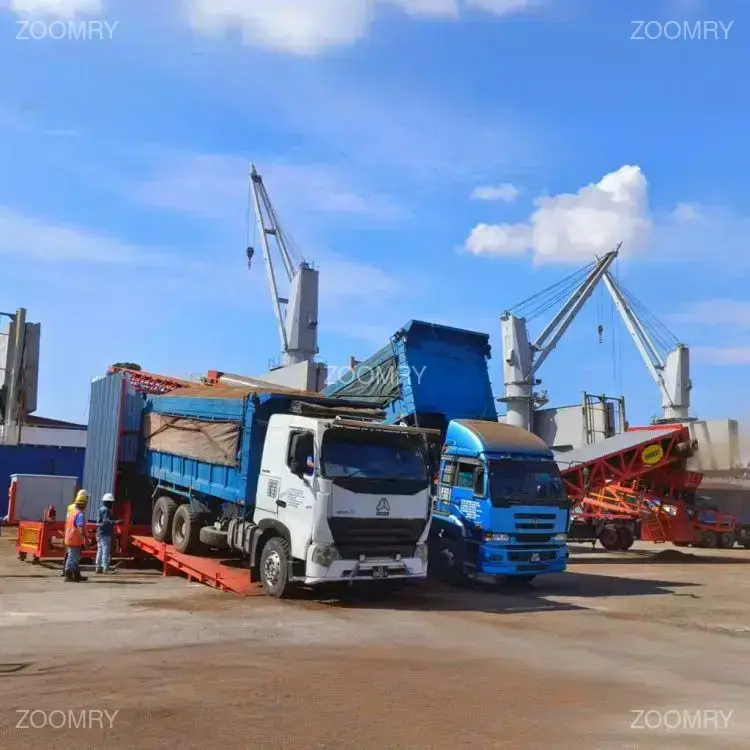
ZRLD-TU1800 tracked 4-lane truck unloader for up to 4 large trucks. 18...
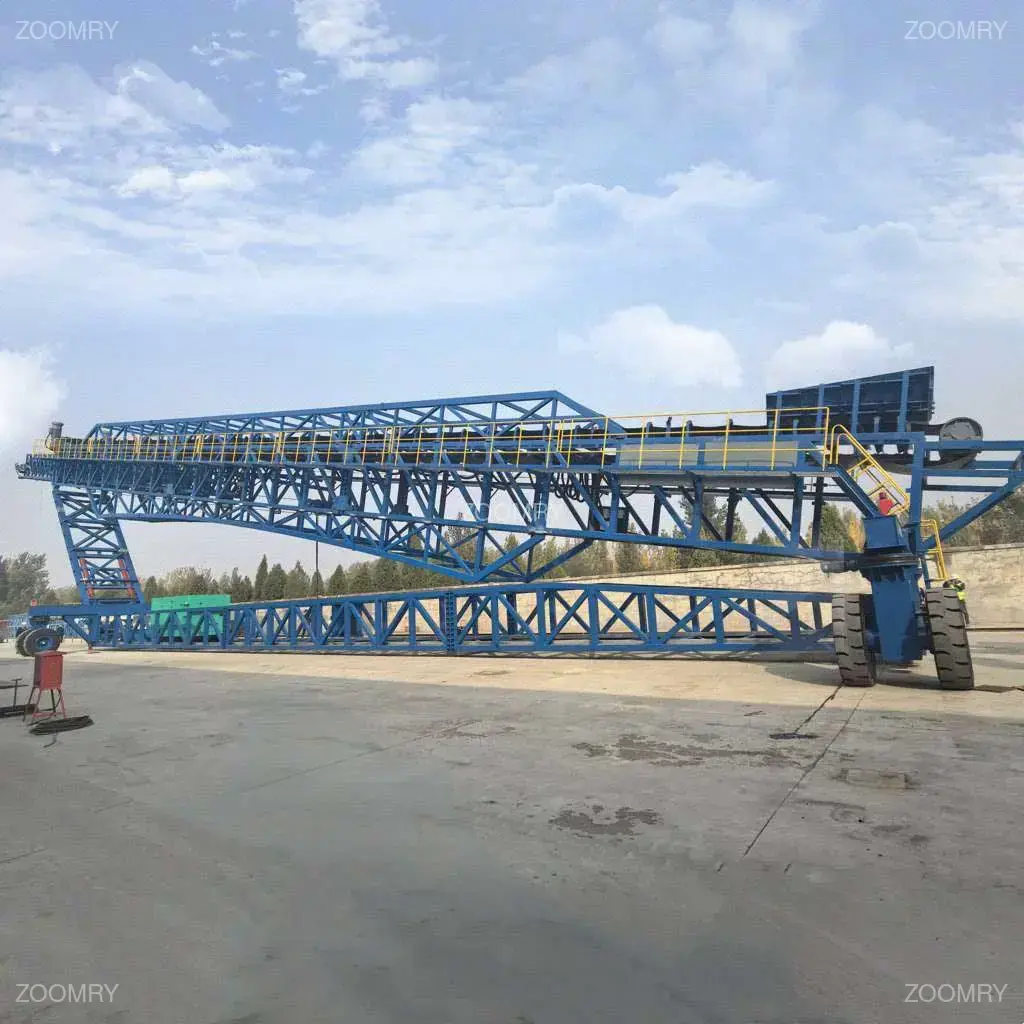
Iron ore shiploader for abrasive ore loading at mining ports. Heavy-du...
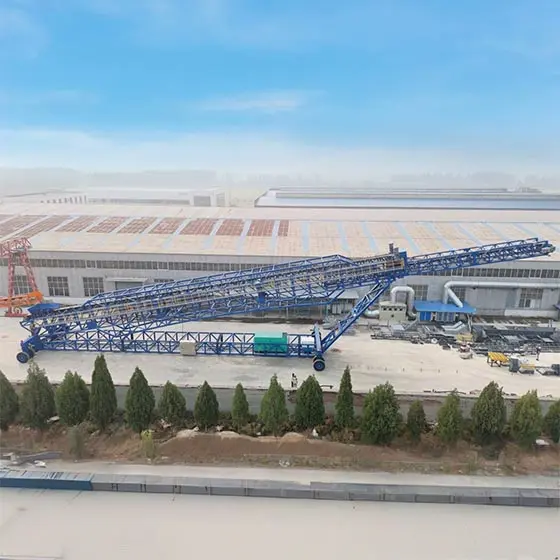
Ship loading conveyors for fixed dock-to-vessel bulk transfer. Continu...
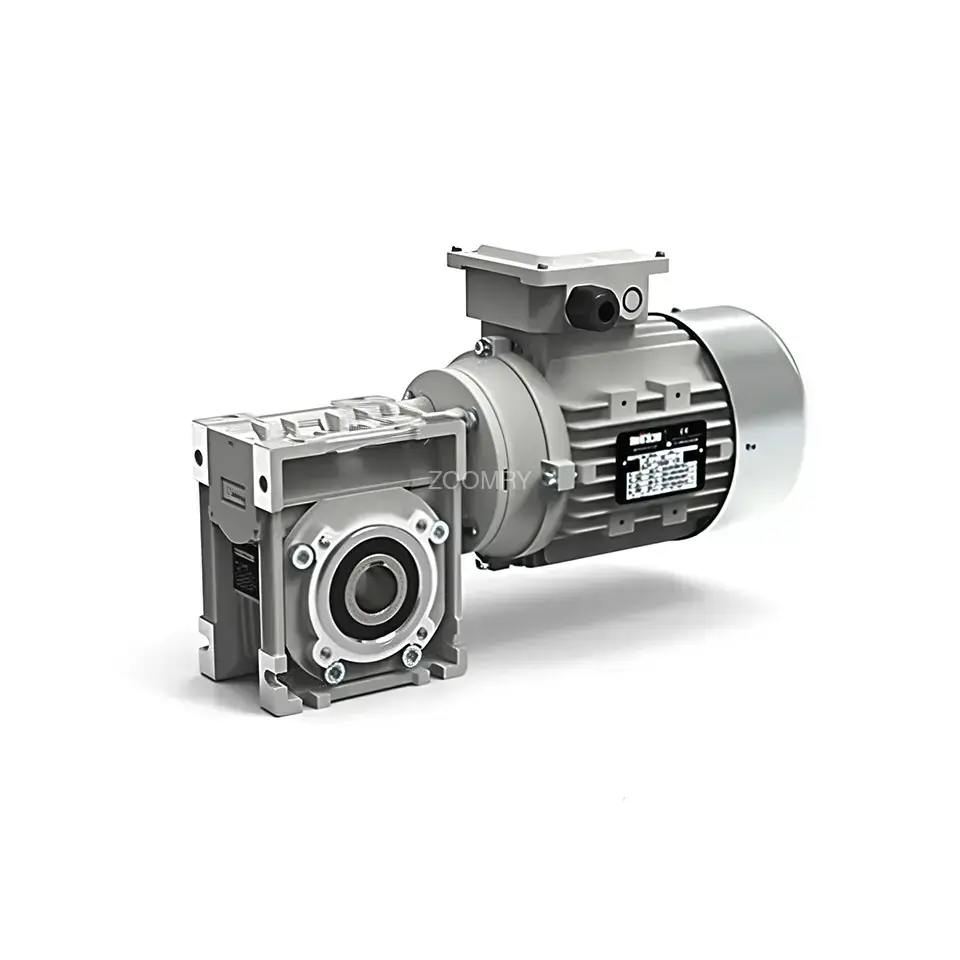
Conveyor drive systems including electric motor, gear reducer, fluid c...

Enter your email to contact us quickly!
Copyright © 2002-2026 Zoomry Group Company Limited 非商用版本 AI Index