Time:2026-10-28 11:10:15 Number of Clicks:
A mobile truck unloader is a drive-over receiving system that allows trucks to discharge bulk material directly into a hopper, which then feeds the material onto a conveyor for transfer to stockpiles, ships, or processing plants. Unlike fixed receiving stations that require civil works and permanent infrastructure, a mobile truck unloader can be relocated as the operation changes, making it one of the most flexible bulk receiving solutions for ports, mines, quarries and cement plants.
This article examines mobile truck unloaders from a design and application perspective. It covers the main configurations, the engineering considerations that determine throughput and reliability, the differences between wheeled and tracked units, and the selection criteria that matter most in real projects.
A mobile truck unloader consists of a receiving hopper, a feeder, a discharge conveyor, and a chassis that allows the unit to be moved between locations. Trucks reverse onto the hopper and discharge their load through the tailgate or a tipping mechanism. The material falls into the hopper, is regulated by the feeder, and is transferred by the discharge conveyor to the next stage of the process.
The key characteristic of a mobile truck unloader is that it does not require a permanent pit or civil foundation. The unit sits on the ground, and the truck drives over it. This makes it suitable for temporary operations, changing sites, or projects where the capital cost of a fixed receiving station cannot be justified.
Wheeled truck unloaders are mounted on a wheeled chassis and can be towed or driven between locations. They are suitable for prepared surfaces, such as port terminals, asphalt yards or compacted gravel areas. Travel speeds are typically up to 25 m/min, and turning radii are typically 10 meters or more.
Wheeled units are generally faster to relocate than tracked units, but they require a stable, level surface for operation. They are common in ports and temporary stockyard operations.
Tracked truck unloaders use a crawler chassis, which provides better traction and stability on soft, uneven or sloping ground. Ground pressure is typically kept below 80 kPa, allowing operation on uncompacted surfaces.
Tracked units are slower to relocate than wheeled units, but they can operate in conditions where wheeled units cannot. They are common in mines, quarries and construction sites with poor ground conditions.
Hydraulic tipping truck unloaders use a hydraulic platform to tip the entire truck, discharging the material through the tailgate. This configuration is used where trucks do not have their own tipping mechanism, or where the material is difficult to discharge by gravity alone.
Hydraulic tipping unloaders are common in mining operations with rigid haul trucks, and in construction sites with standard road trucks.
The hopper must be sized to match the truck capacity and the feeding rate. A hopper that is too small will cause trucks to wait, reducing throughput. A hopper that is too large adds unnecessary weight and cost.
The hopper geometry must also prevent material bridging and ratholing, particularly for cohesive or moist materials. Hopper angles, liners and vibrators are used to ensure reliable flow.
The feeder regulates the flow of material from the hopper to the discharge conveyor. Belt feeders, apron feeders, and vibrating feeders are the most common types. The choice depends on the material characteristics, the required capacity, and the level of control needed.
The discharge conveyor transfers material from the feeder to the next stage. Belt conveyors are the most common type, with belt widths from 1,400 mm to 1,800 mm for typical truck unloading applications. The conveyor may be fixed or adjustable in height, depending on the discharge point.
Truck unloading generates dust at the hopper, at the transfer point between the feeder and the conveyor, and at the discharge point. Dust control measures include enclosures, dry fog suppression, and water spray where permitted. The choice depends on the material and the environmental requirements.
The chassis determines how the unit is relocated. Wheeled units are faster to move but require prepared surfaces. Tracked units are slower but can operate on poor ground. Hydraulic lifting and self-levelling systems allow the unit to be set up quickly without crane assistance.
Mobile truck unloaders are available in capacities from 200 to 1,800 t/h, with custom configurations up to 3,000 t/h for high-volume operations. The actual throughput depends on the truck size, the material characteristics, the hopper capacity, and the discharge conveyor capacity.
For a typical port or mine application, a mobile truck unloader with a 1,400 mm belt and a 200–1,000 t/h capacity is sufficient. For larger operations, a 1,800 mm belt and a 200–1,800 t/h capacity provides higher throughput and better redundancy.
In ports, mobile truck unloaders receive bulk material from road trucks and transfer it to stockpiles or shiploaders. The mobility of the unit allows it to be repositioned as the terminal layout changes or as new berths are developed.
In mines and quarries, mobile truck unloaders transfer material from haul trucks to conveyors or stockpiles. Tracked units are preferred where ground conditions are poor, while wheeled units are used on prepared surfaces.
In cement plants, mobile truck unloaders handle raw materials such as limestone, clay and iron ore, as well as finished products such as clinker. Dust control is a key consideration in these applications.
In power plants, mobile truck unloaders handle coal and biomass. The design must accommodate the specific characteristics of these materials, including dust and combustion risks.
| Configuration | Mobility | Ground requirements | Best for |
|---|---|---|---|
| Wheeled | Fast relocation | Prepared, level surface | Ports, terminals, temporary stockyards |
| Tracked | Slower relocation | Soft, uneven or sloping ground | Mines, quarries, construction sites |
| Hydraulic tipping | Fixed or mobile | Depends on chassis | Rigid haul trucks, standard road trucks |
In practice, many operations use a combination of configurations. A wheeled unit might handle the main receiving point, while a tracked unit handles temporary or remote locations.
Mobile truck unloaders require regular maintenance of the hopper liners, feeder components, conveyor belt and pulley, and hydraulic systems. Dust accumulation should be cleaned regularly to prevent fire and explosion risks, particularly when handling coal or other combustible materials.
Safety considerations include truck guidance systems, emergency stop buttons, and barriers to prevent trucks from overrunning the hopper. Operators should be trained in the specific procedures for the unit and the material being handled.
A mobile truck unloader is mounted on a wheeled or tracked chassis and can be relocated without civil works. A fixed receiving station requires a permanent pit and foundation. Mobile units are suitable for temporary or changing operations, while fixed stations are suitable for long-term, high-volume operations.
Standard configurations range from 200 to 1,800 t/h. Custom configurations up to 3,000 t/h can be evaluated for high-volume operations.
Wheeled units are faster to relocate and suitable for prepared surfaces. Tracked units offer better traction on soft or uneven ground. The choice depends on ground conditions and how often the unit needs to be moved.
Dust control measures include enclosures at the hopper and transfer points, dry fog suppression, and water spray where permitted. The choice depends on the material and the environmental requirements.
Yes, but the hopper and feeder must be designed for the material. Hopper angles, liners and vibrators are used to prevent bridging and ratholing. In some cases, a different feeder type may be required.
Standard configurations typically require 45 to 90 days for manufacturing, plus shipping time. Custom configurations may require longer.
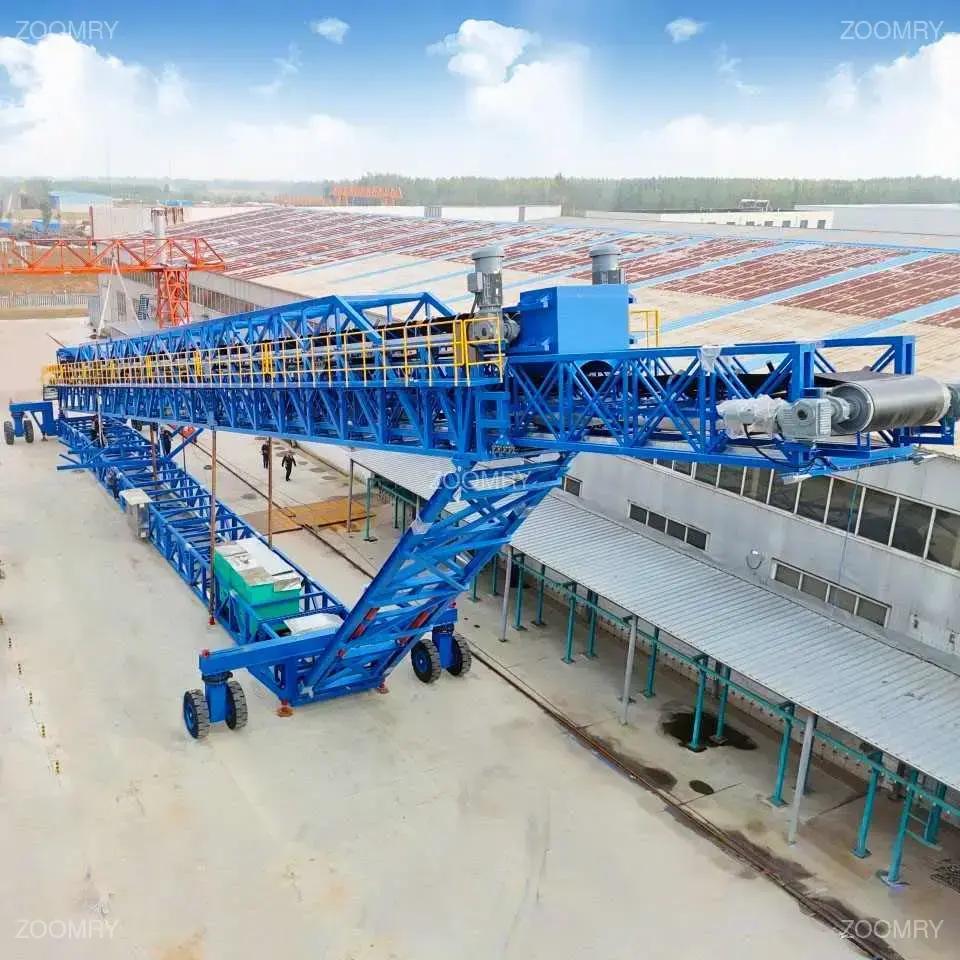
Coal shiploader for port terminals. Mobile ship loader with 100-3,500 ...
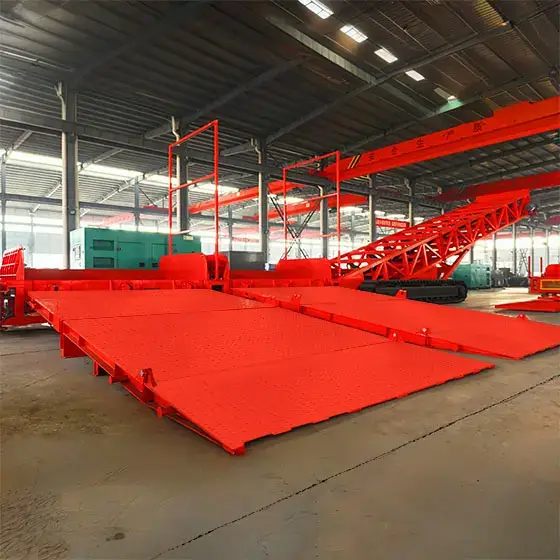
Hydraulic truck unloader with closed-loop proportional valve control. ...
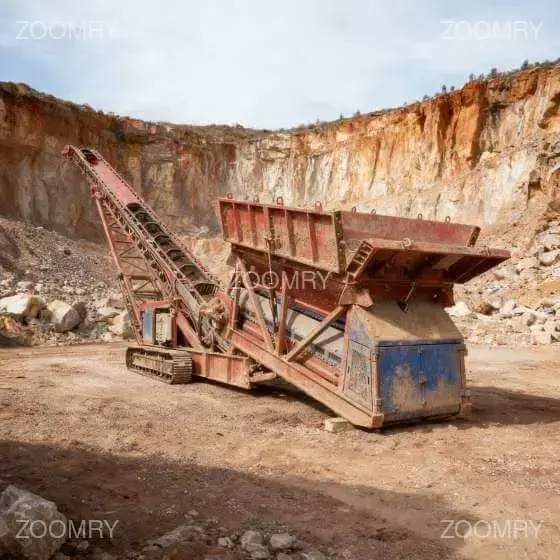
Heavy duty hopper feeder with 12-24 m³ capacity, up to 3,000 t/h. Belt...
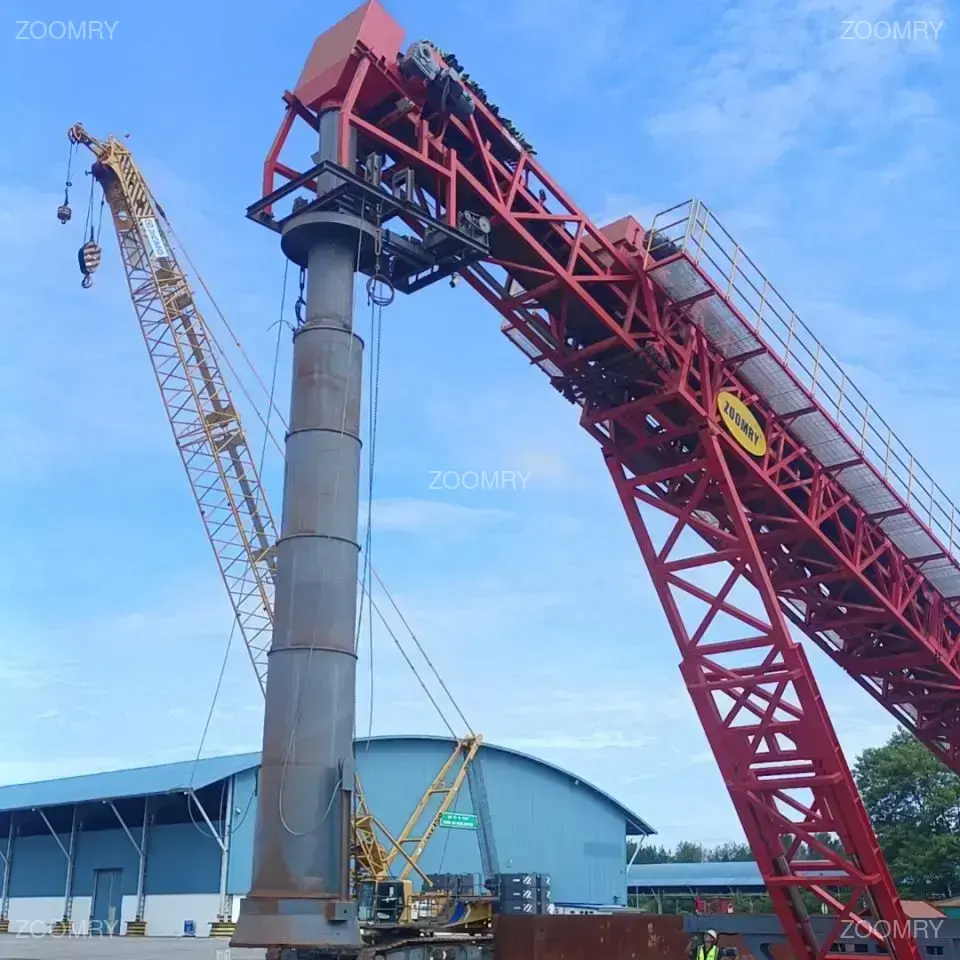
ZRSL-40 mobile shiploader for vessels of 100-35,000 DWT. Pre-assembled...

Enter your email to contact us quickly!
Copyright © 2002-2026 Zoomry Group Company Limited 非商用版本 AI Index